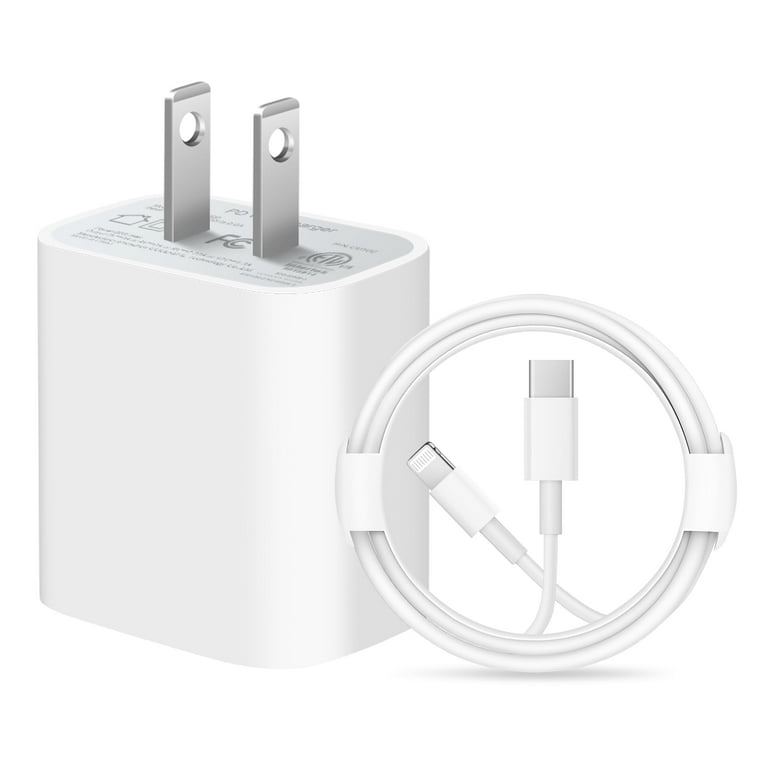
Debunking Common Myths About Phone Chargers: What You Need to Know
In today's world, phone chargers are an essential accessory, yet many misconceptions surrounding their use persist. One common myth is that using third-party chargers is always hazardous for your device. While it's true that low-quality chargers can pose a risk, many reputable brands produce high-quality alternatives that are just as safe. Additionally, there is a belief that charging your phone overnight will ruin the battery. In reality, most modern smartphones are equipped with intelligent charging technologies that manage battery health by stopping the charging process once the device reaches 100%. Thus, it’s time to separate fact from fiction and understand the true nature of phone chargers.
Another myth reinforces the notion that fast charging damages your device. The fact is, reputable manufacturers design phone chargers and smartphones to handle fast charging safely. These devices monitor and regulate the amount of current flowing into the battery, ensuring that it charges efficiently without overheating. Furthermore, there’s confusion regarding the idea that using your phone while it is charging can negatively impact battery life. In truth, using your device during charging may slightly slow the charging speed, but it doesn’t inherently damage the battery. By understanding these myths, you can better utilize your phone charger and maintain your device's performance.
Counter-Strike is a popular first-person shooter game that emphasizes team-based gameplay and strategy. Players can choose to be part of either the terrorist or counter-terrorist teams, working together to complete objectives or eliminate the opposing side. As players gear up for the latest gaming experiences, they might also be interested in the Top 10 iPhone 17 Pro Max accessories to enhance their gaming setups.
How Fast Charging Works: Separating Fact from Fiction
Fast charging technology has revolutionized the way we power our devices, but many people still hold misconceptions about how it works. At its core, fast charging is achieved through higher voltage and current delivery, which allows devices like smartphones and laptops to charge significantly faster than traditional methods. For example, while a standard charger may pump out 5 volts and 1 amp, fast chargers can often provide 9 volts or more at higher currents, leading to charging speeds that can restore up to 50% of a battery's capacity in just 30 minutes. Understanding these fundamentals is key to separating fact from fiction in the world of fast charging.
Despite its benefits, several myths persist about fast charging, one of which is that it can damage your device's battery. However, modern smartphones are designed with sophisticated battery management systems that regulate temperature and charging rates. These systems ensure that even when using a fast charger, the battery remains safe and healthy. Additionally, fast charging technologies like Qualcomm’s Quick Charge and USB Power Delivery have built-in safeguards to optimize charging speeds without compromising battery life. Therefore, recognizing the truth behind these technologies can help users take full advantage of their devices without fear.
Is Your Charger Safe? Understanding Risks and Best Practices
In today's tech-driven world, the safety of your charger is often overlooked, yet it plays a crucial role in ensuring the longevity of your devices and your personal safety. Using damaged or poorly manufactured chargers can lead to risks including electric shock, overheating, or even fire hazards. Understanding risks associated with charger usage is essential for every device owner. For instance, chargers that are not certified by recognized standards, such as UL or CE, may lack vital safety features, increasing the likelihood of malfunctions.
To mitigate these dangers, follow these best practices:
- Always purchase chargers from reputable brands and verified retailers.
- Inspect your charger regularly for any signs of wear and tear, such as frayed cables or loose connections.
- Avoid using your device while it is charging, especially in bed or on flammable surfaces.
- Never leave your charger plugged in when not in use, as this can lead to overheating.