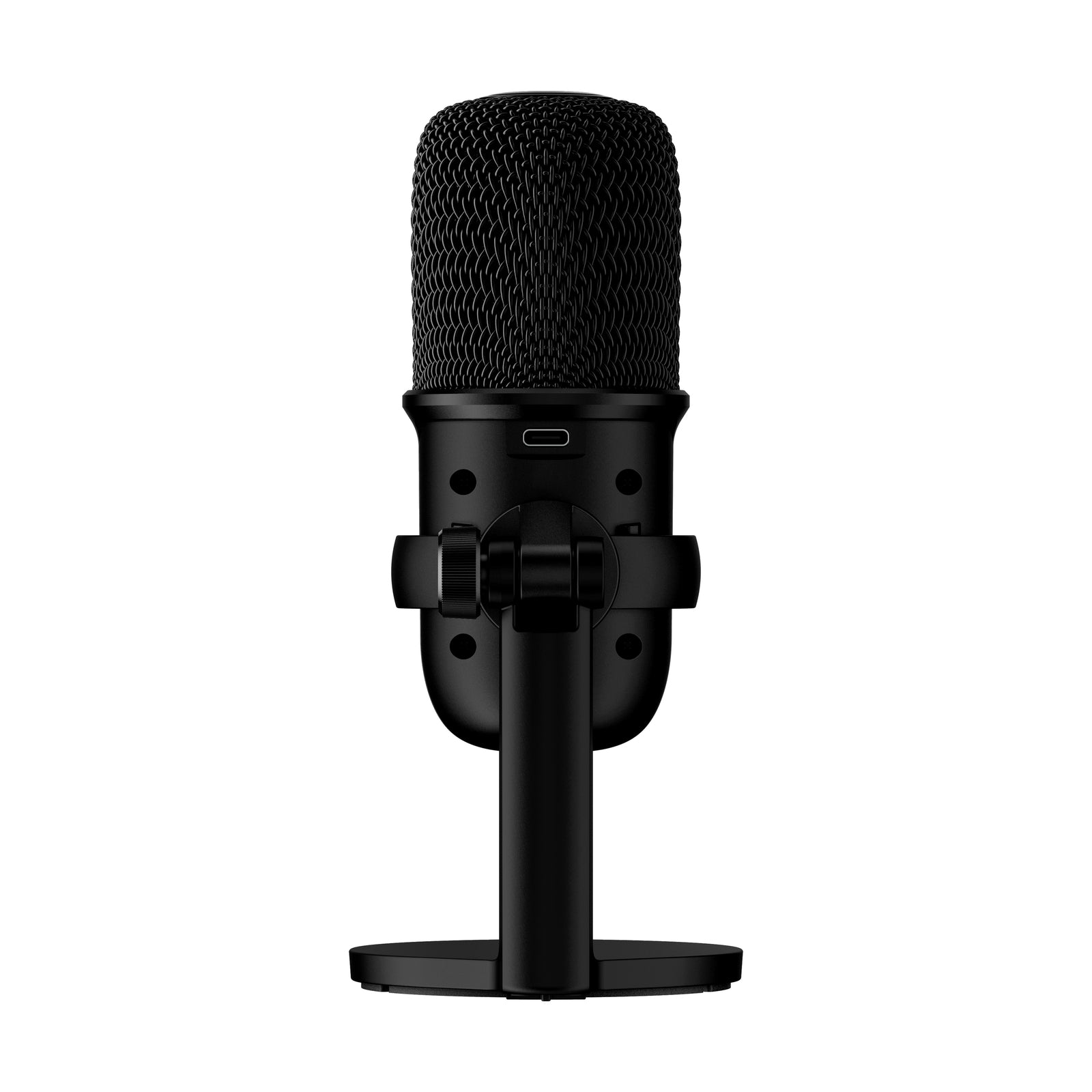
Decoding Sound Waves: What Your Microphone Hears Behind the Scenes
Sound waves are the foundation of audio recording, capturing everything from a musician's notes to the subtle nuances of a whisper. Behind the scenes, your microphone transforms these waves into electrical signals that can be recorded, edited, and played back. The process begins when sound waves vibrate the diaphragm of the microphone, creating variations in air pressure that correspond to the original sound. These pressure changes are then converted into electrical signals through various types of microphone technologies, including dynamic, condenser, and ribbon microphones. Each technology has unique characteristics that can influence the final audio output, making it essential to choose the right microphone for your specific needs.
In addition to the microphone type, several factors impact what your microphone hears. Placement is crucial—positioning the microphone appropriately can drastically affect the quality of sound captured. Environmental elements, such as background noise or the acoustics of the room, also play significant roles in how sound waves are perceived. Understanding these factors can empower content creators to optimize their audio recordings, ensuring that the final product accurately conveys the intended message. By decoding the complexities of sound waves, you can deepen your appreciation for the technology that allows us to capture and share audio experiences.
Counter-Strike is a popular first-person shooter game that has captivated gamers since its release. It features fast-paced multiplayer gameplay where players compete in teams, often engaging in tactical strategies. For those looking to enhance their gaming experience, check out the Top 10 Phone Accessories for YouTube to see how you can take your streaming or gaming content to the next level.
The Secrets of Microphone Types: Which One is Right for Your Sound?
When it comes to selecting the right microphone, understanding microphone types is essential for achieving the sound quality you desire. Broadly categorized, microphones can be divided into three primary types: dynamic, condenser, and ribbon. Each type boasts unique characteristics that make them suitable for different applications. For instance, dynamic microphones are known for their durability and are often used in live settings due to their ability to handle high sound pressure levels. In contrast, condenser microphones are favored in studio environments for their sensitivity and wide frequency response, making them ideal for recording vocals and acoustic instruments.
Choosing the right microphone for your specific needs often requires careful consideration. Here are a few tips to help guide your decision:
- Purpose: Consider what you will be using the microphone for—live performances, studio recordings, or podcasting.
- Environment: The setting can greatly influence your choice; if you're in a noisy area, a dynamic microphone might be more effective.
- Budget: Prices range widely; assess how much you're willing to invest without compromising quality.
By understanding the strengths and weaknesses of each microphone type, you can make an informed choice that enhances your audio experience.
Common Mic Mistakes: What Your Microphone Wishes You Knew for Better Audio
When it comes to achieving high-quality audio, common mic mistakes can drastically affect your recordings. One prevalent issue is improper mic placement. Placing your microphone too close to your mouth can result in an overwhelming amount of plosive sounds, while having it too far away may cause your voice to sound thin and distant. Experimenting with distances and angles will help you find the sweet spot that captures your voice clearly. Additionally, always remember to check for background noise; make sure to choose a quiet environment or utilize soundproofing techniques to minimize unwanted sounds.
Another frequent error is neglecting to use a pop filter. A pop filter is a simple device that can significantly improve the quality of your recordings by reducing plosives and sibilance. If you’re recording vocals, this piece of equipment is essential for achieving a clean sound. Furthermore, consider using the correct microphone type for your needs; for example, dynamic microphones are great for live performances, while condenser microphones are ideal for studio recordings. By avoiding these common mic mistakes, you’ll be well on your way to producing better audio quality that aligns with your creative vision.