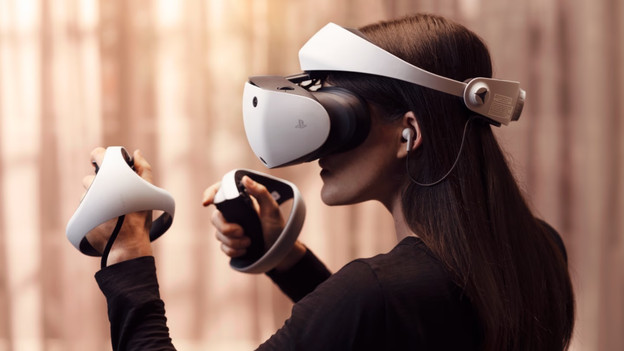
Exploring the Impact of Virtual Reality on Everyday Life
Virtual Reality (VR) has begun to permeate various aspects of everyday life, transforming how we interact with technology and the world around us. From gaming to education, VR creates immersive experiences that enhance user engagement and learning. For instance, in the field of education, virtual classrooms allow students to explore distant historical sites or conduct complex science experiments without leaving their homes. This technological advancement not only makes learning more interactive but also caters to different learning styles, making education more inclusive.
Moreover, Virtual Reality is reshaping industries such as healthcare and real estate. In healthcare, VR is utilized for surgical training and pain management by providing simulated environments that help professionals hone their skills in a risk-free setting. In real estate, virtual tours enable potential buyers to explore properties remotely, saving time and resources. As VR continues to evolve, its impact on everyday life will only grow, paving the way for new and exciting opportunities in various sectors.
Counter-Strike is a popular tactical first-person shooter game that has captivated gamers since its initial release. Players can choose to be part of either the Terrorist or Counter-Terrorist teams, engaging in various mission objectives. For those looking for an immersive experience, the Top 10 apple vision pro head straps can enhance gameplay by providing comfort and support during long gaming sessions.
How Virtual Reality is Transforming Industries: Education, Gaming, and Beyond
Virtual reality (VR) is rapidly changing the landscape of various industries, with significant impacts observed in education and gaming. In the realm of education, VR technology allows for immersive learning experiences, enabling students to explore historical sites, conduct virtual scientific experiments, and engage in interactive simulations. This transformative approach enhances understanding and retention, making learning more engaging. As a result, educators are increasingly incorporating VR into their curricula, paving the way for a more interactive and effective educational environment.
Beyond education and gaming, VR is also making waves in healthcare, real estate, and training. For instance, medical professionals use VR for surgical simulations, allowing them to practice techniques in a safe and controlled environment. In real estate, potential buyers can take virtual tours of properties from the comfort of their homes, significantly enhancing the house-hunting experience. Furthermore, industries such as aviation and manufacturing utilize VR for training purposes, reducing risks and improving safety standards. As VR technology continues to evolve, its applicability across various sectors will likely expand, creating endless possibilities.
What Does the Future Hold for Virtual Reality Technology?
As we look ahead, the future of virtual reality technology promises to be both exciting and transformative. Driven by rapid advancements in hardware and software, we can expect VR to become more accessible and immersive than ever before. For instance, technology giants like Meta, Sony, and HTC are investing heavily in next-gen headsets that will offer higher resolutions, wider fields of view, and more natural interactions. These improvements will not only enhance the gaming experience but also expand the applications of VR in fields such as education, healthcare, and real estate.
Moreover, the integration of artificial intelligence (AI) into virtual reality is set to revolutionize how users interact with digital environments. Imagine a virtual world that adapts in real-time based on user preferences and behaviors, creating personalized experiences that keep users engaged. As VR becomes more mainstream, emerging technologies such as 5G connectivity will also play a crucial role in reducing latency and enabling seamless interactions, further solidifying virtual reality's place in our everyday lives. In conclusion, the future holds vast potential for virtual reality technology, paving the way for innovations that could change how we work, learn, and play.