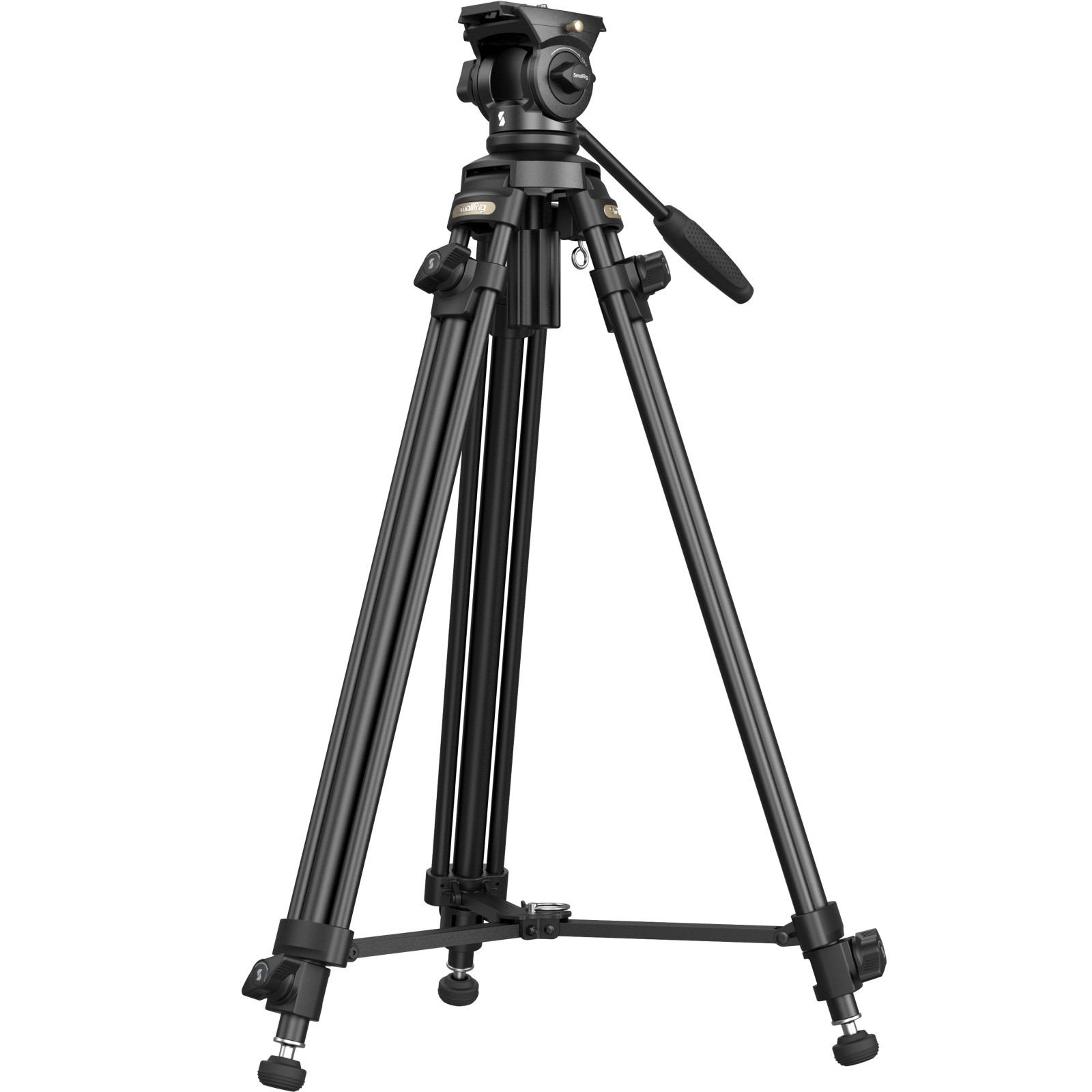
How to Choose the Right Tripod for Your Photography Style
Choosing the right tripod is essential in elevating your photography game, and it largely depends on your specific photography style. If you're a landscape photographer, consider a sturdy tripod that offers stability in various terrains. Look for features such as adjustable legs and a reliable locking mechanism. On the other hand, if you're into travel photography, a lightweight, compact tripod can be invaluable for easy transport. Options like a carbon fiber tripod not only reduce weight but also provide an impressive strength-to-weight ratio.
Additionally, think about the height range and head type that best suits your shooting needs. For instance, a tripod with a ball head allows for quick adjustments, which is perfect for capturing spontaneous moments. When selecting your tripod, it’s also important to check the load capacity to ensure it can support your camera and additional gear. Remember, the right tripod can make a significant difference in image quality, especially in low-light conditions or when capturing long-exposure shots.
Counter-Strike is a popular first-person shooter game that has captivated players since its initial release in 1999. It emphasizes team-based gameplay and strategy, allowing players to assume the roles of terrorists or counter-terrorists in a variety of game modes. For those looking to enhance their photography skills, checking out the Top 10 iPhone photography accessories can provide valuable tools and tips.
The Benefits of Using a Tripod: A Beginner's Guide
One of the primary benefits of using a tripod is the stability it provides, which is crucial for capturing sharp and professional-looking images. When shooting in low light conditions or with slower shutter speeds, a steady camera can mean the difference between a crisp photo and a blurry mess. Additionally, tripods allow you to experiment with various angles and compositions without the worry of holding the camera by hand. Whether you're a beginner just starting out or a seasoned photographer, incorporating a tripod into your gear can elevate the quality of your work.
Another significant advantage of using a tripod is its versatility. Many tripods come equipped with adjustable features that allow for a range of heights and positions, making them suitable for different photography styles—from landscapes to portraits. Furthermore, a tripod can also assist in video recording by ensuring smooth and stable shots. This stability is especially important for beginners who may find it challenging to keep their camera steady while focusing on their subject. Embracing the benefits of using a tripod can enhance your photography experience and help you achieve more dynamic and creative results.
10 Tips for Mastering Long Exposure Photography with a Tripod
Long exposure photography can transform ordinary scenes into stunning works of art. Here are 10 tips for mastering long exposure photography with a tripod. First, understand the basics of exposure time; longer exposures allow more light to reach the sensor, creating a smooth effect with moving elements such as water or clouds. Using a sturdy tripod is crucial, as any movement can ruin your shot. To begin, set your camera to manual mode and adjust your shutter speed depending on the light conditions. For best results, experiment with shutter speeds ranging from a few seconds to several minutes.
Next, consider using a neutral density filter, which reduces the amount of light entering the lens, allowing for even longer exposure times without overexposing your image. Don’t forget to use a remote shutter release or the camera's timer to avoid camera shake when taking the photo. Pay attention to your composition; leading lines and interesting foreground elements can enhance your images. Finally, be patient and practice often. With these tips, you'll be on your way to capturing breathtaking long exposure shots in no time. Here’s a quick summary of the tips:
- Understand exposure time.
- Use a sturdy tripod.
- Experiment with shutter speeds.
- Use a neutral density filter.
- Use a remote shutter release.
- Focus on composition.
- Be patient and practice.