How Augmented Reality is Changing Our Perception of Everyday Life
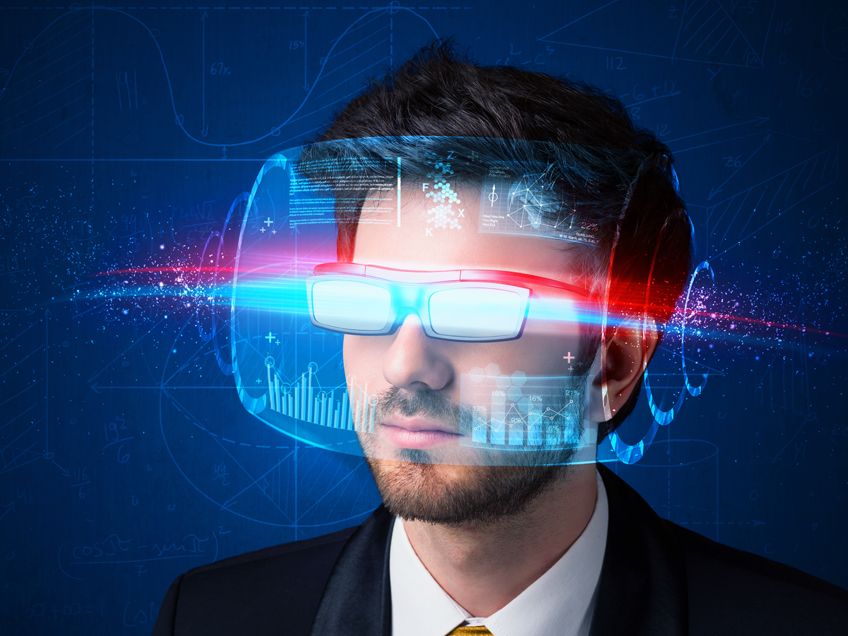
Augmented Reality (AR) is revolutionizing the way we perceive our everyday environment by blending digital information with the physical world. This innovative technology enhances our interactions with our surroundings through smartphone applications and wearable devices. For example, AR applications can superimpose useful data, such as navigation directions or furniture dimensions, directly onto our field of view, enabling us to make more informed decisions in real time. As we incorporate AR into daily activities, it's transforming mundane tasks—like shopping or home improvement—into engaging experiences, showcasing how technology can dramatically alter our interaction with the ordinary.
Moreover, AR is reshaping social experiences and communication by providing immersive platforms for connection and engagement. As more people embrace virtual try-ons and interactive gaming, they create new avenues for social interaction that were previously unimaginable. For instance, platforms like Snapchat and Instagram utilize AR filters, allowing users to enhance their photos with fun effects, thus making mundane moments memorable. As we continue to integrate augmented reality into our daily lives, we will likely see an evolution in how we engage with both technology and each other, ultimately leading to a more interconnected and enriched society.
Counter-Strike is a highly popular first-person shooter game that has shaped the competitive gaming landscape since its release. Players can engage in tactical gameplay, choosing to fight as terrorists or counter-terrorists in various maps. As players improve their skills, they often seek out equipment that enhances their gaming experience, such as Top 10 Nightstand Chargers for Apple Watch to keep their devices powered during intense gaming sessions.
The Rise of Virtual Reality: Are We Ready to Live in a Digital World?
The rise of virtual reality (VR) has transformed the way we interact with technology, offering immersive experiences that were once confined to science fiction. As headsets become more affordable and technology advances, individuals are beginning to explore the potential of living in a digital world. With applications ranging from gaming to education and even therapy, VR is becoming a pivotal part of our lives. However, this transition raises several questions about whether society is truly ready to embrace a reality where the lines between the physical and digital realms blur.
As we stand on the brink of this technological evolution, it's important to consider the implications of widespread adoption of virtual reality. Will we prioritize our digital lives over our physical connections? What will be the impact on mental health as we immerse ourselves in virtual environments? Furthermore, as the demand for VR increases, it's crucial to address issues such as accessibility and data privacy. In exploring these complex questions, we must assess whether we can fully embrace the digital world without losing sight of the richness of our real experiences.
Will AI-Generated Content Reshape Our Understanding of Creativity?
The emergence of AI-generated content has sparked an intriguing debate about the nature of creativity. Traditionally associated with human emotion and intuition, creativity is now being challenged by algorithms capable of producing art, writing, and even music. As these technologies evolve, they prompt us to reconsider the definitions and boundaries of creativity. Can a machine truly create, or is it merely generating outputs based on existing patterns? Understanding how AI-generated content influences our perception of creativity might lead to a more nuanced appreciation of both human and machine contributions.
Furthermore, the implications of AI-generated content extend beyond mere philosophical questions; they also present practical considerations for various creative industries. Writers, artists, and musicians might leverage AI tools to inspire new ideas or streamline their workflows, reshaping the creative process itself. This collaboration between human ingenuity and machine efficiency may lead to innovative forms of expression and entirely new artistic genres. As we navigate this evolving landscape, it is essential to examine how our understanding of creativity will adapt in response to these technological advancements.