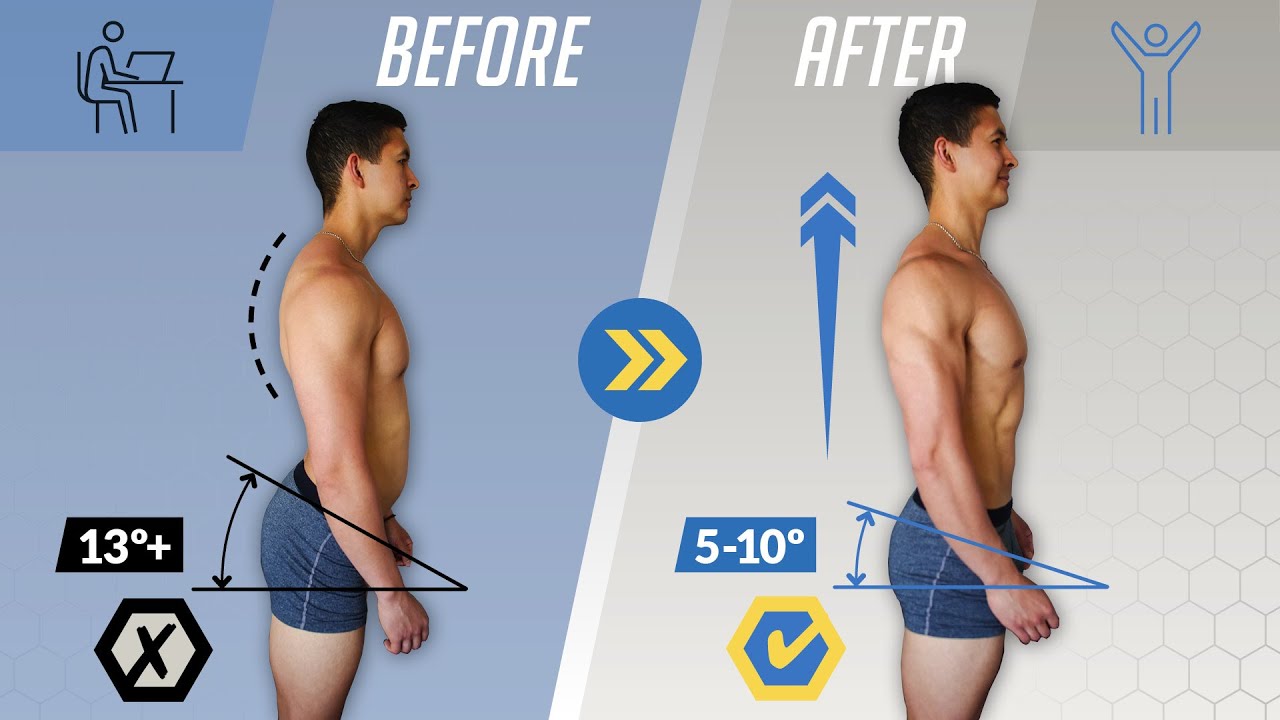
The Science Behind Good Posture: How It Affects Your Health and Confidence
Good posture is not just about standing tall; it has profound effects on our overall health and well-being. Recent studies demonstrate that maintaining proper spinal alignment can improve respiratory function, enhance digestion, and reduce the risk of musculoskeletal problems. When we slouch, our body takes on a position that can lead to undue strain on muscles and ligaments, which can subsequently result in chronic pain. By focusing on our posture, we not only promote a healthy body but also support the optimal functioning of our internal organs. Therefore, being mindful of how we sit, stand, and move is crucial for long-term health benefits.
Additionally, good posture plays a significant role in boosting our confidence. Research suggests that individuals who adopt an upright posture are perceived as more confident and capable. This is not merely a matter of perception; our body language can influence our thoughts and emotions. For instance, standing tall can elevate mood and reduce feelings of stress. When we present ourselves confidently, it can lead to improved interactions in both personal and professional settings, making us more approachable and successful. Therefore, embracing the science behind good posture offers a dual benefit: enhancing our physical health and reinforcing our mental resilience.
Counter-Strike is a highly popular multiplayer first-person shooter that pits teams against each other in various objective-based game modes. Players can choose to play as terrorists or counter-terrorists, engaging in intense combat while leveraging teamwork and strategy. For gamers who spend long hours playing, it’s essential to maintain good posture, and you can check out these Top 10 Desk Accessories for Posture to help improve your gaming setup.
Top 5 Myths About Posture Improvement Debunked
When it comes to improving posture, many people believe in common myths that can lead to ineffective strategies. One prevalent myth is that posture improvement is solely about 'sitting up straight.' While maintaining a straight position is certainly important, true posture correction involves a comprehensive approach that includes strengthening core muscles, increasing flexibility, and understanding body alignment. It's essential to recognize that individual posture issues vary, and what may work for one person may not be suitable for another.
Another misconception is that posture improvement requires expensive equipment or frequent visits to a chiropractor. In reality, many effective techniques can be practiced at home without the need for specialized tools. Simple exercises, such as planks and yoga, can significantly enhance your posture over time. Therefore, debunking these myths not only empowers individuals to take control of their posture but also promotes a healthier, more informed approach to well-being.
Is Your Posture Holding You Back? Discover the Benefits of Standing Tall
Your posture plays a critical role in your overall health, affecting everything from your energy levels to your confidence. Poor posture can lead to a range of issues, including chronic pain, decreased productivity, and lowered self-esteem. As we spend more time hunched over screens, it's essential to evaluate if your posture is holding you back. By making small adjustments to your daily habits, such as standing tall and aligning your spine, you can unlock numerous benefits that improve your quality of life.
Standing tall not only enhances your physical presence but also positively influences your mental state. Research shows that adopting a confident posture can boost your mood and reduce stress levels. Here are a few benefits of improving your posture:
- Increased energy: Proper alignment helps reduce fatigue, allowing you to feel more energized throughout the day.
- Enhanced focus: Good posture promotes better blood flow, which can improve your concentration and productivity.
- Greater confidence: Standing tall can lead to increased self-assurance during social interactions and professional settings.