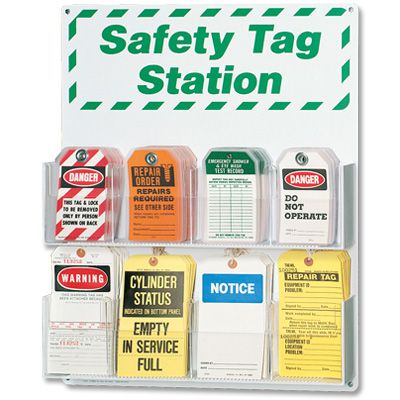
Top 5 Reasons Why Safety Tags Are Essential in the Workplace
Safety tags play a crucial role in safeguarding employees and maintaining a secure work environment. One of the top reasons to implement safety tags in the workplace is their ability to clearly communicate hazards. By utilizing color-coded tags, companies can easily inform workers of the risks associated with specific equipment or areas. This visual aid helps to prevent accidents and encourages a culture of safety, ensuring that all employees remain aware of potential dangers.
Another essential reason for adopting safety tags is compliance with regulatory standards. Many industries are required to adhere to strict safety guidelines, and using safety tags can help organizations fulfill these legal obligations. Regularly maintaining and updating these tags not only minimizes the risk of penalties but also demonstrates a commitment to employee well-being. In summary, integrating safety tags into your workplace is vital for enhancing safety protocols and fostering a responsible work culture.
Counter-Strike is a highly popular multiplayer first-person shooter game that emphasizes teamwork, strategy, and skill. Since its release, it has evolved into various versions, with Top 10 Apple Watch Accessories for Runners being a critical component for gamers who also value fitness. Players can choose to play as terrorists or counter-terrorists, engaging in various game modes that require different tactics and gameplay styles.
How Safety Tags Can Prevent Accidents and Increase Awareness
Safety tags play a crucial role in preventing accidents in various environments, including industrial workplaces, construction sites, and even everyday home settings. By providing clear and visible warnings, these tags help to alert individuals to potential hazards, ensuring that they remain vigilant and cautious. For instance, safety tags can indicate areas that are off-limits, equipment that is under maintenance, or conditions that require personal protective equipment. This immediate information reduces the risk of accidents by fostering an environment where safety is prioritized.
Moreover, the implementation of safety tags greatly enhances awareness among employees and visitors alike. When workers are trained to recognize and understand these tags, they become more mindful of their surroundings. Regular safety briefings that highlight the meanings and importance of different safety tags can further reinforce this awareness. As a result, organizations that integrate effective tagging systems often experience a significant decline in workplace incidents, thereby promoting a culture of safety that benefits everyone involved.
What Information Should You Include on Your Safety Tags?
When creating safety tags, it's essential to ensure that they convey clear and concise information to enhance workplace safety. Start by including the name of the person responsible for the equipment or area, as well as their contact information. This provides a direct line of communication in case of emergencies. Additionally, clearly state the hazards associated with the equipment or zone. Use concise phrases such as 'High Voltage' or 'Toxic Chemicals' to alert individuals of potential risks quickly.
Moreover, consider incorporating a warning level system on your safety tags using a color-coded scheme. For example, red can signify immediate danger, while yellow indicates caution. It's also advisable to include instructions for safe handling or operational procedures right on the tag. Lastly, don’t forget to add a clear date of inspection or expiration, to ensure that safety information remains up-to-date and relevant. This practice not only improves safety compliance but also fosters a culture of awareness and responsibility among employees.