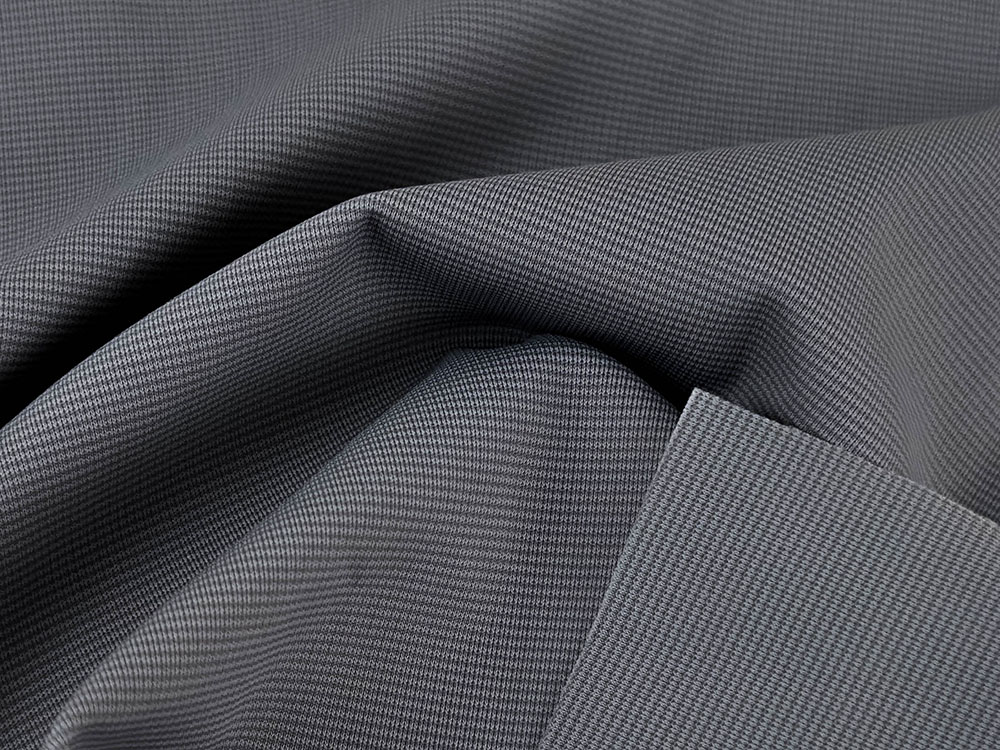
The Birth of Nylon: A Revolutionary Fabric in Fashion History
The birth of nylon in the late 1930s marked a pivotal moment in fashion history, revolutionizing the textile industry and changing the way fabrics were perceived. Developed by chemical engineer Wallace Carothers at DuPont, nylon was introduced to the world as a synthetic alternative to silk, showcasing its durability and elasticity. Upon its launch in 1939, it was received with great enthusiasm, particularly when used in stockings, which became a symbol of modern femininity and style. The excitement surrounding this new fabric was evident, as nylon stockings quickly sold out and even sparked a buying frenzy, marking the beginning of its ascent in the fashion world.
As the years progressed, nylon's versatility allowed it to find applications beyond just clothing. It became integral in various sectors, including activewear, lingerie, and accessories, all the while promoting a sleek and polished look. Its lightweight nature and resistance to moisture made nylon a favorite among designers and consumers alike. Today, nylon continues to evolve, encompassing innovative technologies like moisture-wicking and eco-friendly production methods, further solidifying its status as a revolutionary fabric in the fabric landscape. The enduring legacy of nylon serves as a reminder of how one invention can reshape an entire industry, making it a quintessential chapter in fashion history.
Counter-Strike is a highly popular first-person shooter game that has captivated millions of players around the world. With its tactical gameplay, players take on the roles of terrorists and counter-terrorists, working to complete objectives or eliminate the opposing team. For those looking for comfort and style while gaming, check out the Top 10 Lightweight Apple Watch Bands to enhance your gaming experience.
How Nylon Transformed the Textile Industry and Influenced Modern Clothing
Introduced in the 1930s, nylon marked a revolutionary shift in the textile industry, quickly rising to prominence due to its versatility and durability. As the first synthetic fiber to be entirely made from petrochemicals, nylon provided manufacturers with a cheaper and more resilient alternative to natural fibers like silk and cotton. This shift not only reduced production costs but also enabled the creation of entirely new products, from hosiery to parachutes. The ability to produce large quantities of nylon opened doors for innovation, paving the way for a new era in clothing design and functionality.
The impact of nylon on modern clothing cannot be overstated. It offers properties such as lightweight strength and resistance to wear and tear, which have made it a staple fabric in various clothing lines, from activewear to high fashion. As fashion trends evolved, designers embraced nylon for its ability to retain shape and color, while also being easy to care for. Additionally, the rise of athleisure and functional attire in recent years showcases how nylon has influenced contemporary fashion, marrying practicality with style in garments worn by millions worldwide.
Nylon vs. Cotton: Which Fabric Reigns Supreme in Everyday Fashion?
When it comes to everyday fashion, the choice between Nylon and Cotton often sparks lively debates among style enthusiasts. Nylon, a synthetic fabric, is renowned for its durability and resistance to wear and tear. It's often chosen for activewear due to its moisture-wicking properties, making it ideal for workouts or rainy days. On the other hand, Cotton is a natural fiber that offers breathability and softness. Its hypoallergenic qualities make it a favorite for casual wear, ensuring comfort throughout the day. Each fabric has its unique benefits, but which one truly reigns supreme in our wardrobes?
When considering everyday use, Cotton often takes the lead due to its versatility and ease of care. It can be found in a variety of styles, from t-shirts to jeans, fitting seamlessly into any wardrobe. Meanwhile, Nylon holds its own in the realm of functionality, being resistant to stains and quick to dry. Thus, the decision may come down to personal preference: do you prioritize comfort and breathability that Cotton provides, or the durability and performance attributes of Nylon? Ultimately, the choice reflects your individual style and lifestyle needs.