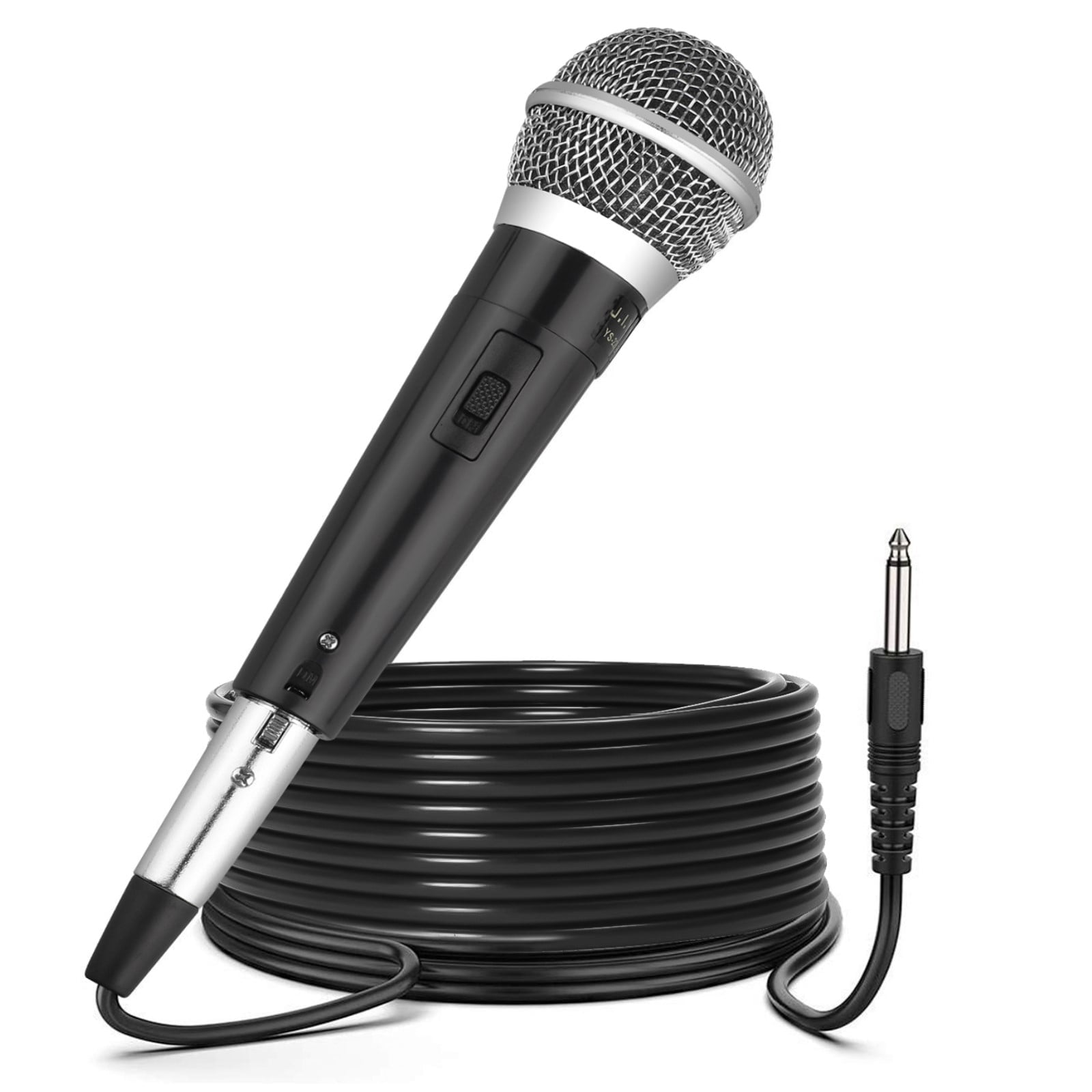
How Microphones Transform Everyday Sounds into Memorable Experiences
Microphones play a crucial role in transforming everyday sounds into captivating experiences that resonate with audiences. From the crisp sound of a bird chirping to the intricate melodies of a live concert, microphones capture these sounds with incredible fidelity. This technology allows us to preserve moments that might otherwise go unnoticed, enhancing our appreciation of the world around us. Whether it's through podcasting, music production, or recording personal memories, the impact of microphones is undeniable. They serve as bridges, connecting our mundane routines with the extraordinary, reminding us of the beauty hidden within the ordinary.
The art of sound engineering is essential in transforming everyday sounds into memorable experiences. Professionals use various techniques to manipulate audio, such as layering, mixing, and applying effects that elevate simple recordings to new artistic heights. For instance, capturing the ambiance of a bustling café or the gentle rustle of leaves in the wind can evoke strong emotions when presented thoughtfully. As technology continues to advance, the potential for creativity expands, allowing us to experience familiar sounds in innovative ways. Ultimately, microphones not only record sounds but also enrich our interactions with them, turning the mundane into the unforgettable.
Counter-Strike is a popular tactical first-person shooter game that has captured the interest of gamers worldwide. It emphasizes teamwork, strategy, and precision as players engage in combat scenarios ranging from bomb defusal to hostage rescue. For those looking to capture their gaming sessions or create content on the go, check out the Top 10 Mobile Vlogging Accessories that can enhance your vlogging experience.
The Science Behind Microphones: How They Capture Sound
Microphones are fascinating devices that play a crucial role in capturing sound. At the core of a microphone's functionality is the conversion of sound waves into electrical signals. This process begins when sound waves—created by vibrating air molecules—reach the microphone's diaphragm, a thin membrane that vibrates in response to these waves. As the diaphragm moves, it alters the distance between it and a backplate, which creates variations in capacitance that are transformed into electrical signals. Understanding this process is essential, as it emphasizes the science behind microphones and their ability to pick up even the subtlest nuances of sound.
There are various types of microphones, including dynamic, condenser, and ribbon microphones, each employing different principles to capture sound. For instance, dynamic microphones use electromagnetic induction, while condenser microphones rely on electrostatic principles to function. These differences lead to variations in sound quality, sensitivity, and intended use, establishing a diverse range of applications for microphones—from professional recording studios to casual podcasts. By appreciating the underlying technology, one can better understand how the science behind microphones influences audio quality and performance in different settings.
What Makes a Microphone Ideal for Everyday Use?
When considering what makes a microphone ideal for everyday use, several key factors come into play. First and foremost, sound quality is paramount; a good microphone should capture clear and crisp audio without distortion. This is essential for various applications, from recording podcasts to conducting virtual meetings. In addition to sound clarity, durability plays a significant role. A microphone designed for everyday use should be robust enough to withstand regular handling while remaining lightweight for portability.
An ideal microphone also features versatility in connectivity options, allowing it to easily interface with different devices. Whether you’re plugging it into a computer, a smartphone, or a mixing board, compatibility is crucial for seamless operation. Lastly, user-friendliness cannot be overlooked; a microphone that is easy to set up and operate will encourage frequent use. All these elements combine to make a microphone not just functional but truly ideal for everyday scenarios.