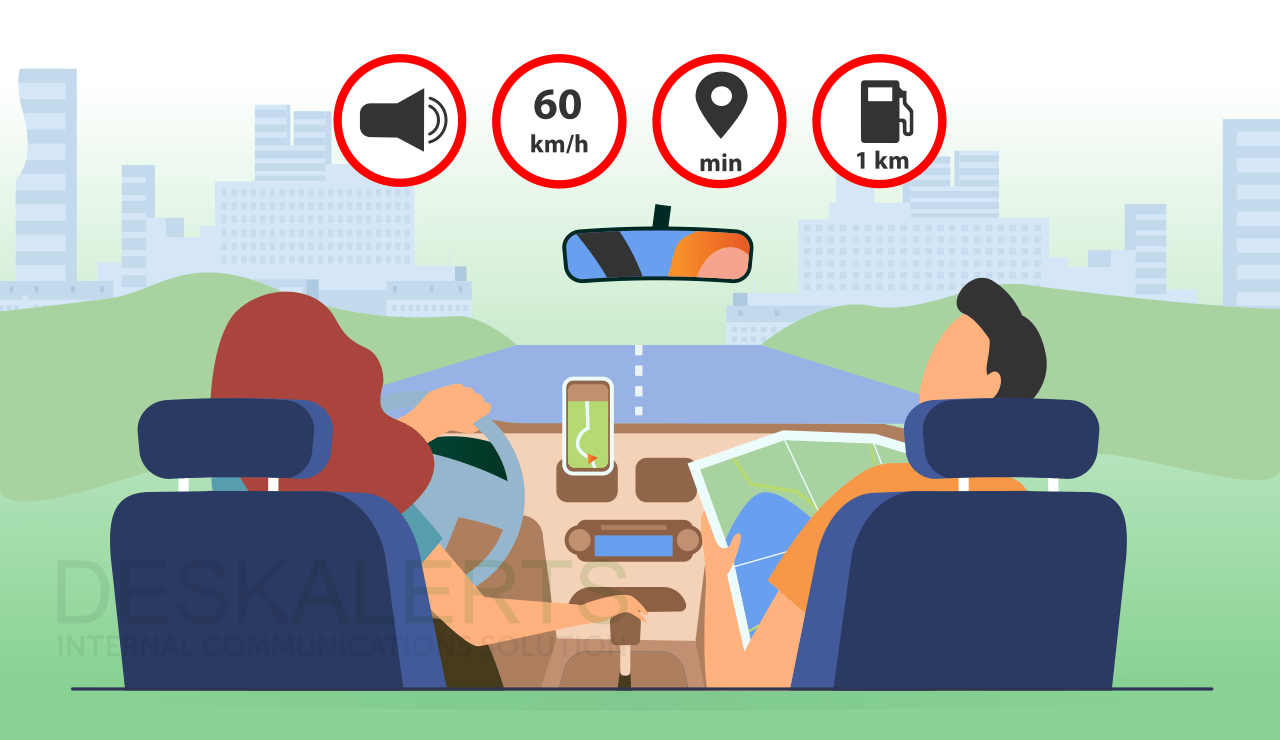
Top 5 Unexpected Driving Habits That Keep You Safe
When it comes to staying safe on the road, many drivers focus on the basics like wearing seatbelts and adhering to speed limits. However, some unexpected driving habits can significantly enhance your safety. For example, maintaining a two-second following distance in ideal conditions can provide ample time to react in emergencies. Additionally, using your headlights during the day, even in sunny weather, increases your vehicle’s visibility to other drivers, thereby reducing the chances of an accident.
Another habit often overlooked is the practice of using turn signals consistently. This simple act not only informs other drivers of your intentions but also encourages them to anticipate your moves, fostering safer driving conditions. Moreover, regularly checking your mirrors and blind spots is crucial, even when you think the coast is clear. With these top 5 unexpected driving habits, you can enhance your road safety while setting a positive example for others on the highway.
Counter-Strike is a popular multiplayer first-person shooter that pits teams of terrorists against counter-terrorists in objective-based gameplay. The game requires teamwork, strategy, and quick reflexes to outmaneuver opponents. Players can also equip their characters with various weapons and gear to enhance their performance. For those looking for a convenient way to use their iPhones while driving, check out the Top 10 iPhone car mounts, which can help keep your device secure and accessible.
The Science Behind Seatbelts: Why Buckling Up Matters
The importance of seatbelts in vehicles can be understood through both statistics and science. Seatbelts are designed to keep occupants secure during a collision by restraining their movement, which significantly reduces the risk of serious injury or fatality. According to the National Highway Traffic Safety Administration (NHTSA), wearing a seatbelt can reduce the risk of death by up to 45% for front-seat passengers. The physics behind this protective measure is straightforward: during a crash, an unrestrained individual will continue moving at the vehicle's speed until they hit another object, such as the steering wheel, dashboard, or windshield. This principle illustrates the necessity of buckling up.
Moreover, the engineering of seatbelts incorporates advanced safety features such as pretensioners and load limiters. Pretensioners tighten the seatbelt to eliminate slack at the moment of impact, while load limiters allow some give in the belt to prevent excessive force on the occupant's chest. These innovations are a result of extensive research and crash testing, ensuring that seatbelts not only save lives but also minimize injury when accidents happen. Therefore, even in low-speed collisions, the habit of buckling up cannot be overstated; it is a simple action that holds profound implications for personal safety.
Are You Making These Common Driving Mistakes?
Driving is an essential skill, yet many of us fall into habits that can compromise our safety and the safety of others on the road. One of the most common driving mistakes is neglecting to use turn signals. Did you know that failing to signal creates confusion for other drivers and increases the risk of accidents? Always remember to communicate your intentions on the road by using your turn signals, especially when changing lanes or making turns. This simple action can greatly enhance road safety.
Another prevalent error drivers make is tailgating. Many underestimate the importance of maintaining a safe distance from the vehicle in front of them, which can lead to rear-end collisions. As a rule of thumb, try to keep a following distance of at least three seconds; this allows you ample time to react to sudden stops. By being mindful of your spacing, you'll not only improve your own safety but also contribute to a more orderly flow of traffic.