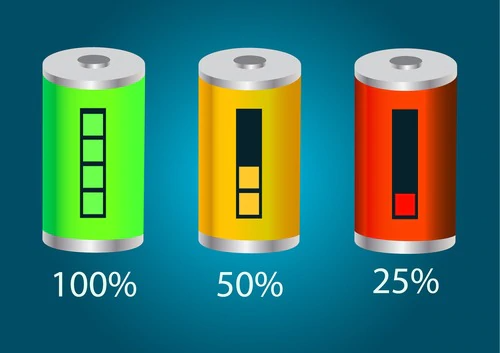
Understanding Battery Chemistry: How It Affects Performance and Lifespan
Understanding battery chemistry is essential for anyone looking to maximize the performance and lifespan of their devices. Different types of batteries, such as lithium-ion, nickel-metal hydride, and lead-acid, have unique chemical properties that influence their efficiency and durability. For example, lithium-ion batteries have a higher energy density compared to their counterparts, which means they can store more energy in a smaller size. However, they require specific charging conditions to prevent degradation, making an understanding of their chemistry crucial for optimal use.
The lifespan of a battery is heavily influenced by its chemical composition and the conditions under which it is operated. Factors such as temperature and charge cycles can significantly impact battery performance. For instance, keeping a battery at a high temperature can accelerate chemical reactions that lead to wear and tear, while deep discharging can reduce its total charge cycles. To ensure longevity, it's recommended to maintain batteries within their specified temperature range and avoid extreme charging habits, thus maximizing both performance and lifespan.
Counter-Strike is a highly popular team-based first-person shooter game that has captivated millions of players worldwide. It emphasizes strategy, teamwork, and skill as players engage in intense matches where they can play as either terrorists or counter-terrorists. For those who enjoy gaming for long periods, it’s essential to have the right gear, including audio accessories. Check out the Top 10 Earbuds with Long Battery Life to enhance your gaming experience.
Top Tips for Extending Your Device's Battery Life: Myths and Facts
When it comes to enhancing your device's battery life, it's essential to separate myths from facts. One common myth is that closing unused applications will significantly boost battery performance. In reality, modern operating systems are designed to manage applications efficiently, and simply leaving them open often has minimal impact. Instead, focusing on features like screen brightness and background app activity can yield better results. For instance, reducing your screen brightness or enabling battery saver mode can lead to substantial energy savings.
Another prevalent myth is that you should let your battery drain completely before recharging it to maintain its health. This advice is outdated—most experts now recommend frequent recharging at partial levels instead. By keeping your battery between 20% to 80%, you can extend its overall lifespan. Additionally, utilizing battery optimization settings available on most devices can help by limiting background processes and notifications, giving you more time between charges. Implementing these strategies will help you maximize your device's battery performance effectively.
The Future of Battery Technology: What Innovations to Expect
The future of battery technology is gearing up to be revolutionary, with numerous innovations on the horizon that promise to enhance energy storage solutions. From solid-state batteries to advancements in lithium-sulfur chemistry, researchers are focused on increasing energy density while lowering manufacturing costs. For instance, solid-state batteries are expected to offer significantly higher capacity and safety compared to traditional lithium-ion batteries. Additionally, regenerative batteries and energy storage systems that utilize graphene could redefine how we think about charging cycles, leading to faster recharge times and longer battery life.
Moreover, the integration of artificial intelligence in battery management systems is set to play a crucial role in optimizing performance and lifespan. AI can predict battery degradation patterns and adapt charging protocols in real-time, ensuring maximum efficiency. As we move towards renewable energy sources, innovations like flow batteries are gaining traction due to their scalability and ability to store large amounts of energy for longer durations. With these advancements, the future of battery technology not only looks promising for consumer electronics but is also poised to drive sustainable energy solutions in electric vehicles and grid storage.